
X

Finding the right balance between AI and manually managing third party risk is essential for effective risk management. Both approaches have strengths and limitations, and integrating them can provide a more comprehensive and efficient risk assessment process.
Let’s look closely at all three scenarios to find out the pros and cons of each one.
Artificial intelligence can quickly process large volumes of data, recognize patterns, and identify anomalies that may indicate potential risks. By utilizing AI tools and algorithms, organizations can automate the initial stages of risk assessment, such as gathering information, categorizing vendors, and conducting preliminary risk scoring. This allows manual assessment efforts to focus on more complex and subjective aspects. Below are the advantages of AI-driven assessment.
AI-powered tools can process large volumes of data quickly and efficiently, providing faster results and reducing manual effort.
AI systems can simultaneously handle a high volume of risk assessments, making them suitable for organizations dealing with numerous third parties.
AI algorithms follow predefined rules consistently, minimizing human errors and biases in the assessment process.
To identify potential risks, AI can process and analyze structured and unstructured data from multiple sources, such as financial records, news articles, and social media.
While AI is proficient at processing data, it may need help with contextual awareness and making nuanced judgments. A manual assessment conducted by subject matter experts can provide a deeper understanding of the vendor’s industry, business model, regulatory environment, and potential risks specific to the organization’s needs. Human expertise is precious for assessing vendor reputation, financial stability, and trustworthiness. Below are some advantages of the human-driven assessment process.
Humans can understand the nuances of complex business relationships and interpret contextual information, which might be challenging for AI systems.
Skilled professionals can bring industry knowledge, experience, and judgment to risk assessment, allowing for a deeper understanding of specific risks.
Manual assessments can adapt to changing regulatory environments, threats, and unique business requirements, providing a more tailored analysis.
Direct interaction with third parties allows for relationship building, negotiation, and gathering qualitative information that might not be available through automated means.
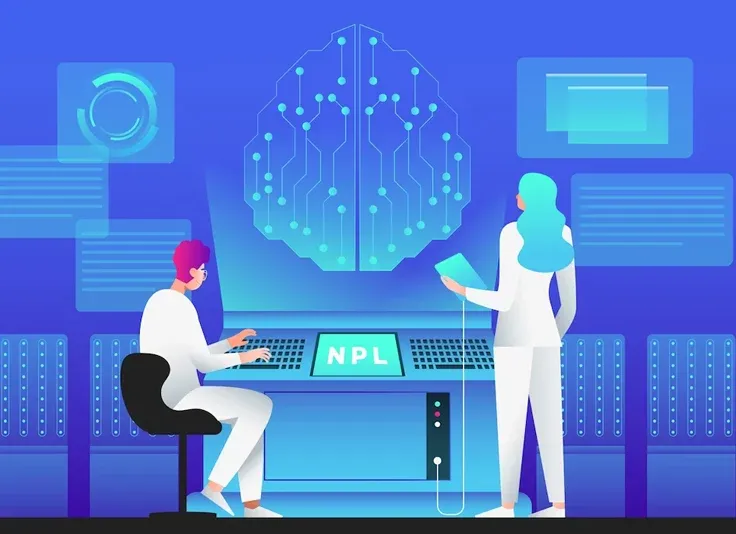
The outputs generated by AI algorithms should be taken as something other than definitive decisions. Instead, we should consider them a tool to support and inform human judgment. AI can provide risk scores, highlight areas of concern, and prioritize vendors for further assessment. Human experts can then review and validate these findings, adding their insights and expertise to make final risk determinations—benefits of combined AI-driven and human judgment techniques.
Use AI-powered tools to conduct an initial risk screening, filtering out low-risk entities and focusing manual efforts on high-risk cases.
Combine AI-driven data analysis with manual assessments to provide a holistic view of risks, leveraging the strengths of both approaches.
Use AI algorithms to classify risks based on predefined rules, followed by a manual review to validate and fine-tune the risk assessments.
Utilize AI tools for ongoing monitoring and alerts while involving human expertise for in-depth analysis and decision-making in critical situations.
Third party risk management is not a one-time event but a continuous process. AI can be valuable in monitoring vendors in real-time, analyzing changes in their risk profiles, and flagging potential issues. However, humans need to interpret and respond to these alerts, considering the evolving nature of risks and the organization’s specific context. Organizations should regularly review and calibrate the AI models used for risk assessment. Human feedback is crucial to refine the algorithms, identify any biases or limitations, and improve their accuracy over time.
Remember that the balance between AI and manual assessment may vary based on the organization’s size, industry, risk appetite, and available resources. It’s crucial to regularly review and refine the risk assessment process to ensure it remains effective in a changing landscape.
[{"type": "paragraph", "children": [{"text": "We, Beaconer, as an AI-driven third party risk management organization, combine AI capabilities with manual intervention to enhance the accuracy and efficiency of your assessments. Combining the strengths of both approaches allows you to model a more comprehensive and reliable risk evaluation process.", "type": "text"}]}, {"type": "paragraph", "children": [{"text": "", "type": "text"}]}, {"type": "paragraph", "children": [{"text": "At Beaconer, we have a leadership team with vast experience in cybersecurity and a deep understanding of the balance between AI and manual intervention in assessments which puts your organization in a strong position. With their experience, expertise, and knowledge of the balance between AI and manual intervention, we can do high-quality, efficient, and accurate third-party risk assessments. Their ability to adapt and optimize the use of AI technologies in alignment with business goals and risk management needs positions your organization for continued success in the evolving cybersecurity landscape.", "type": "text"}]}, {"type": "paragraph", "children": [{"text": "", "type": "text"}]}, {"type": "paragraph", "children": [{"text": "For more details, please get in touch with us today.", "type": "text"}]}]
Nagaraj Kuppuswamy is the Co-founder and CEO of Beaconer, an esteemed enterprise specializing in managed third-party risk using the cloud native AI based solution. With an extensive portfolio of accolades and industry certifications, Nagaraj stands out as a seasoned expert, boasting over 16 years of dedicated involvement in the field of Cybersecurity. Throughout the course of their career, he has predominantly focused on elevating the realm of third-party risk assessment.

Evaluate how each solution mitigates third-party risks effectively.